Filipino Time is of being too punctual.

Filipino Time, that what I always hear when we had meetings when it won't start on time. It makes Filipinos' punctuality ridiculed by others, especially foreigners. Some Filipinos may not like labeled with it, but they won't tell you that it is untrue. The irony, right? We are aware of it, but we seem to belittle it. It is as if encoded subconsciously in Filipinos. Many practices and tolerate it, but I think it should not be the excuse for being late. It harms Filipinos' productivity and speaks volumes on attending commitments and engagements.
In history, Filipinos look at being late as a social status symbol, which we acquire from Spanish colonization. That is why Filipinos copied it. Carlos P. Romulo, who often jest late comers in his symposium, justified that being late is normal and acceptable in Filipino culture. President Quirino's arrival at Fordham University to accept an honorary doctorate was too late, insulted the host. One instance, the Philippines Air Lines (PAL), our flag carrier, pun as plane always late. These are a few stories about Filipino Time, exemplifying how deep Filipino Time into our culture.
Is there a reason to legitimized Filipino Time? Maybe, it is not really that we are too lazy to come on time, or we love to have the social symbol. I think Filipino Time resulted in some situational circumstances like the worst traffic that our country has. Metro Manila has the longest commute time, where we can observe most of the roads jump-packed with cars, especially EDSA. Not just Metro Manila, Cebu has worsening traffic too. Before the pandemic, traveling from Colon to Mandaue seems to take too long, similar to crossing the bridges to reach Mactan. These situational constraints make us not meet on time despite coming too early for an appointment.

I like how Jef Menguin defines the unheard but definition of real Filipino Time. I would emphasize that it is not on being late or tardy. It is a peculiar description, but I can resonate with it, accounting situations that Filipinos have to experience before the appointment or meeting. Filipino Time means being too early for the schedule. When we do have meetings, some attend too early, although the admins come too late. We can observe it from meeting some friends. But we can't discount some are late. The irony seems insane, right? But it is true.
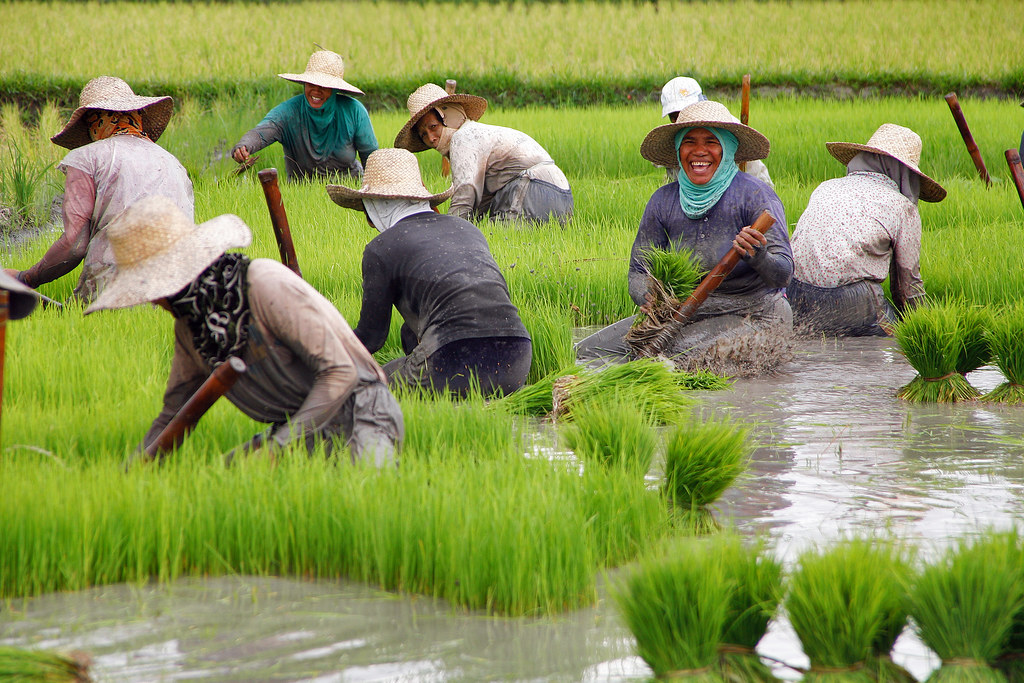
For Filipinos, we heard stories from our parents and grandparents. They foretold about them wake up early to walk miles to reach schools or attend appoints. It is especially true in the countrysides to date. I had some outreach before in remote areas that I saw children waking to the site earlier than it should. Farmers sow the fields at dawn. Fishermans prepared before rooster crows. Filipinos are generally not tardy, and in fact, we are too punctual.
I think this is similar to city life. Hence trains have long lines and often have schedule issues due to unfavorable situations, especially in Metro Manila; it is not new to us that Filipino workers wake up early to arrive at work early. But most still arrive late on schedule. Crazy, right? But it is true. We can all relate to it. Who has multiple alarms to wake them up on time? I am guilty of that. I think you do it too. Even flying, we tend to go to airports a two-hour earlier than that schedule. We should celebrate Filipino Time due to its punctuality, not by tardiness. The trivial colonizer added to the woes of Filipino Time. We saw how "Bahala Na" as fatalism and "Bayanihan" depicts people carrying houses. It became part of our culture due to colonial miseducation. It goes the same with Filipino Time of being tardy.
I can't deny that Filipino Time has a bad connotation and is always associated with being late due to prominent Filipinos setting examples. Filipino Time as contagious due to us becoming tired of meeting schedules but waiting for half to an hour. It embedded subconsciously to us to adhere to Filipino Time. Then, can we change Filipino Time to be of punctuality?
Filipino Time transcends from being a habit to a form of branding. Whenever foreigners come to our country, they complain about their experience of tardiness. They may tend to generalize, but I think we should change it. Filipino Time should be of punctuality. It will give a boost to how we tend to be over punctual in our daily lives. What hinders the change of perception is Filipinos individualistic nature that is change-resistant. Filipinos should not perpetuate tardiness as being normal. We should label it correctly. To phrase, Filipino Time seems a hypocritical ignorance in our society. That person coming early alienated as not Filipinos.
Filipino Time is a negative branding and unfair to most Filipinos that are too punctual. We should not celebrate our tardiness and find Filipino Time to justify our faults of being tardy. We owe it to ourselves that every time we are late is not because we jive to the Filipino Time branding. It is time we celebrate Filipino Time of being punctual and tear being tardiness from our cultural equations. We have it for centuries and seemingly no sign of losing it. Continuing to celebrate Filipino Time as tardiness will deeply cripple our reputations and habits towards being punctual.
Filipino Time must represent Filipinos being too punctual. We start it with small steps, I think. When we meet people, we need to try being on time or come earlier, which you prepare doing. We should not blame Filipino Time and owe it, whether intentional or not when coming late. Again, we should clearly label and curve ignorance and cultural manipulation by colonizers before. When we arrive on time or earlier, most Filipinos called it American Time, which isn't true. Filipino Time is of being too punctual. Let sink it in.
Photo Credit: Wayne S. Grazio and ILO Asia-Pacific





Comments